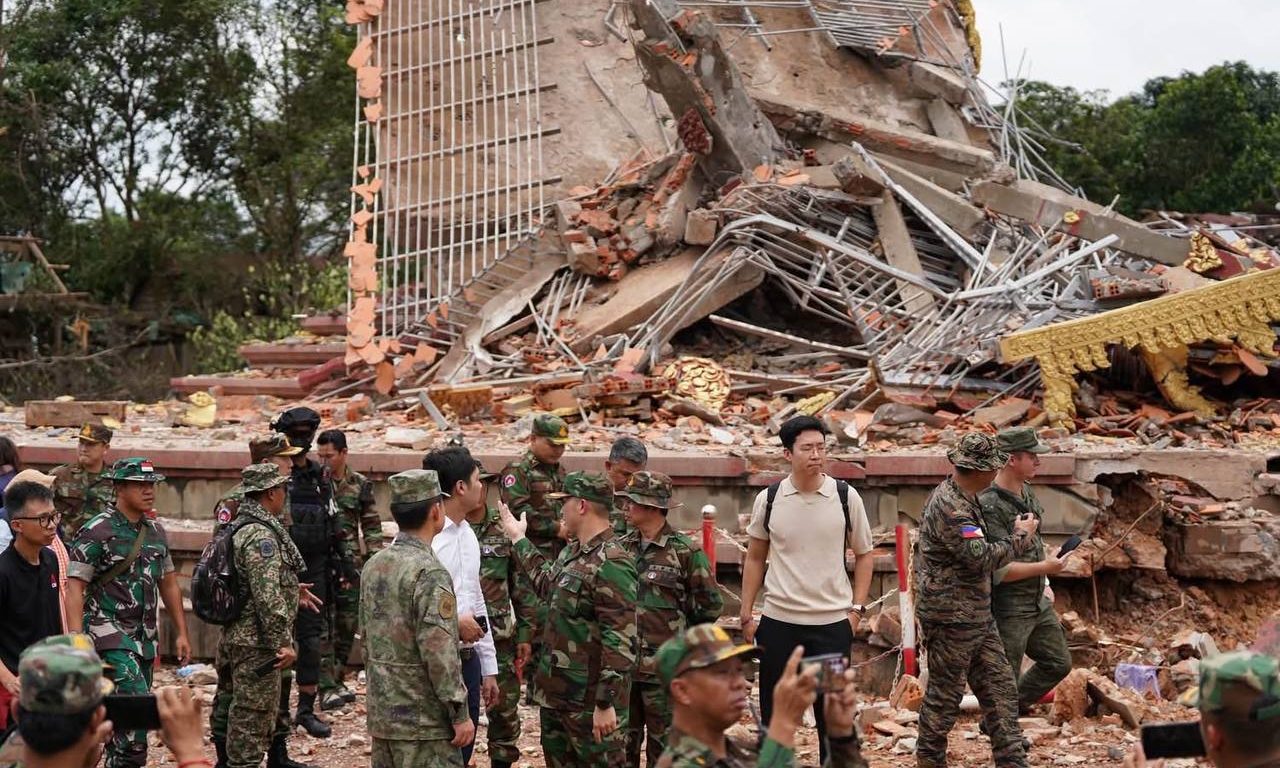
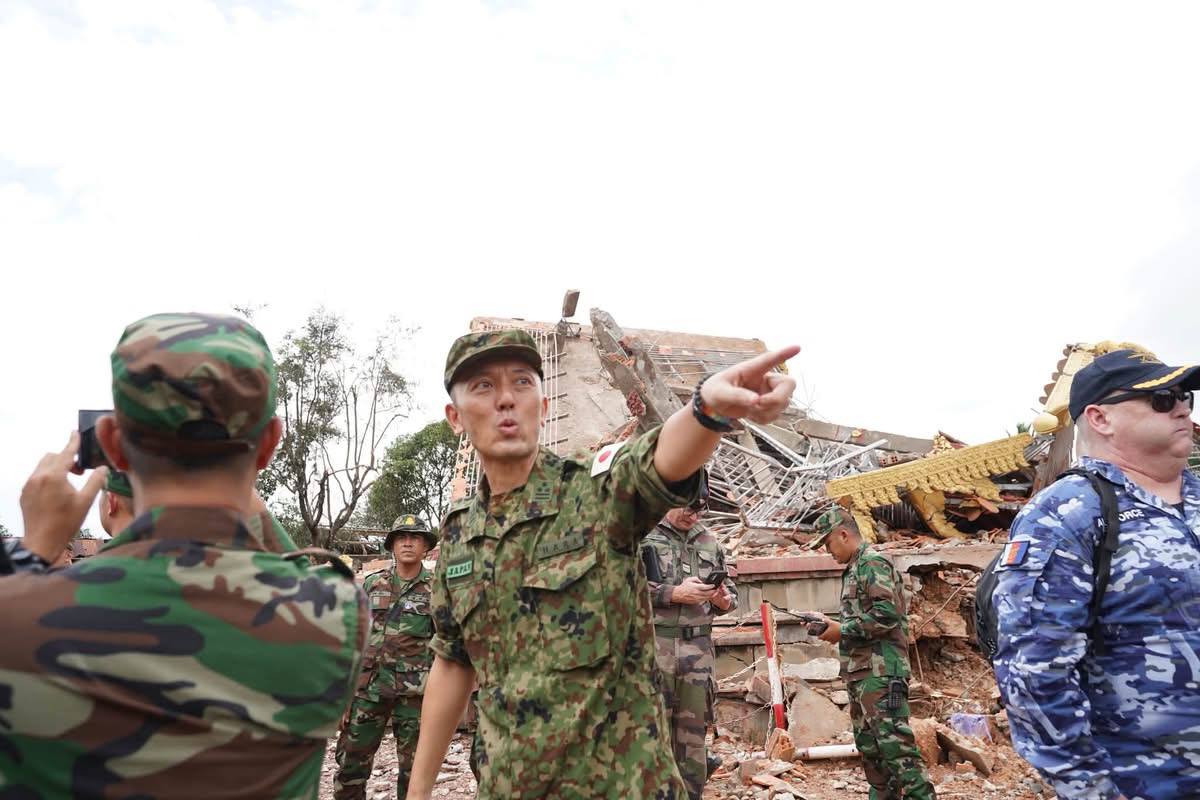
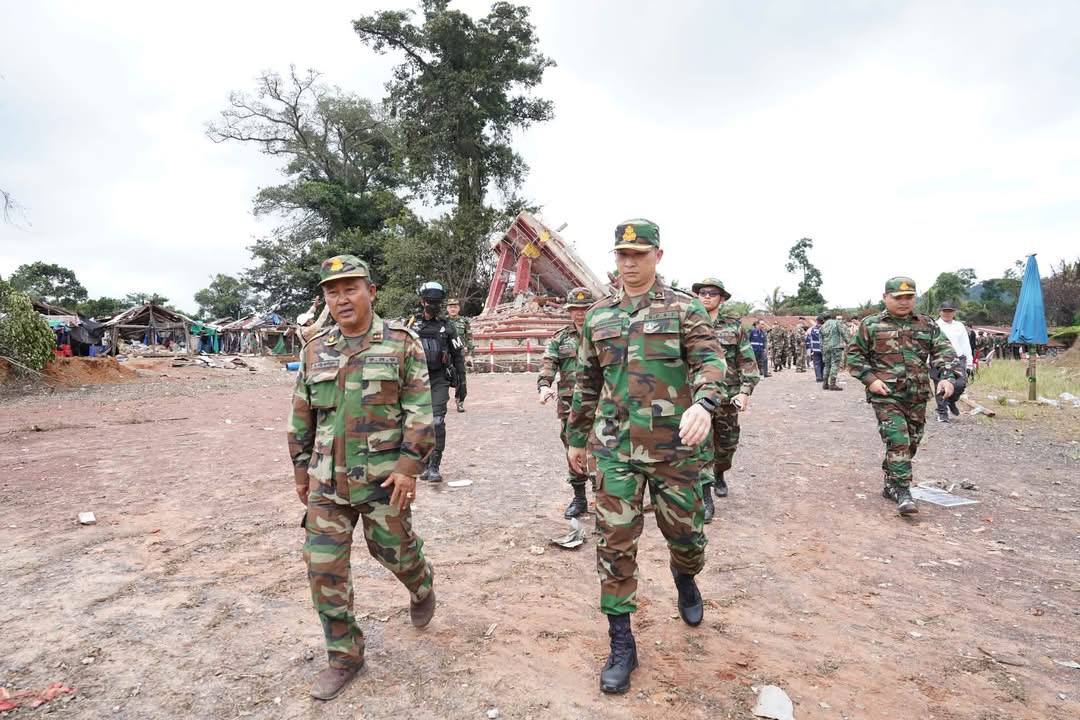
ភ្នំពេញ ៖ រដ្ឋមន្ត្រីក្រសួងព័ត៌មាន លោក នេត្រ ភក្ត្រា នៅថ្ងៃទី៣០ ខែកក្កដា នេះ បានលើកឡើងថា ៖ ជាងពីរថ្ងៃបន្ទាប់ពីបទឈប់បាញ់ចូលជាធរមាន និងក្រោយកើតមានឧប្បត្តិហេតុ «ចាប់ដៃដ៏គ្រោះថ្នាក់» ដែលបានបង្កការព្រួយបារម្ភអំពីការអនុវត្តបទឈប់បាញ់ អនុព័ន្ធយោធាបរទេសប្រចាំនៅព្រះរាជាណាចក្រកម្ពុជា បានអញ្ជើញចុះត្រួតពិនិត្យ និងតាមដានស្ថានភាពជាក់ស្តែងនៅតំបន់អានសេះ នាព្រឹកថ្ងៃទី៣០ ខែកក្កដា ឆ្នាំ២០២៥ ក្រោមវត្តមានអ្នកសារព័ត៌មានជាតិ និងអន្តរជាតិជាច្រើនរូប។
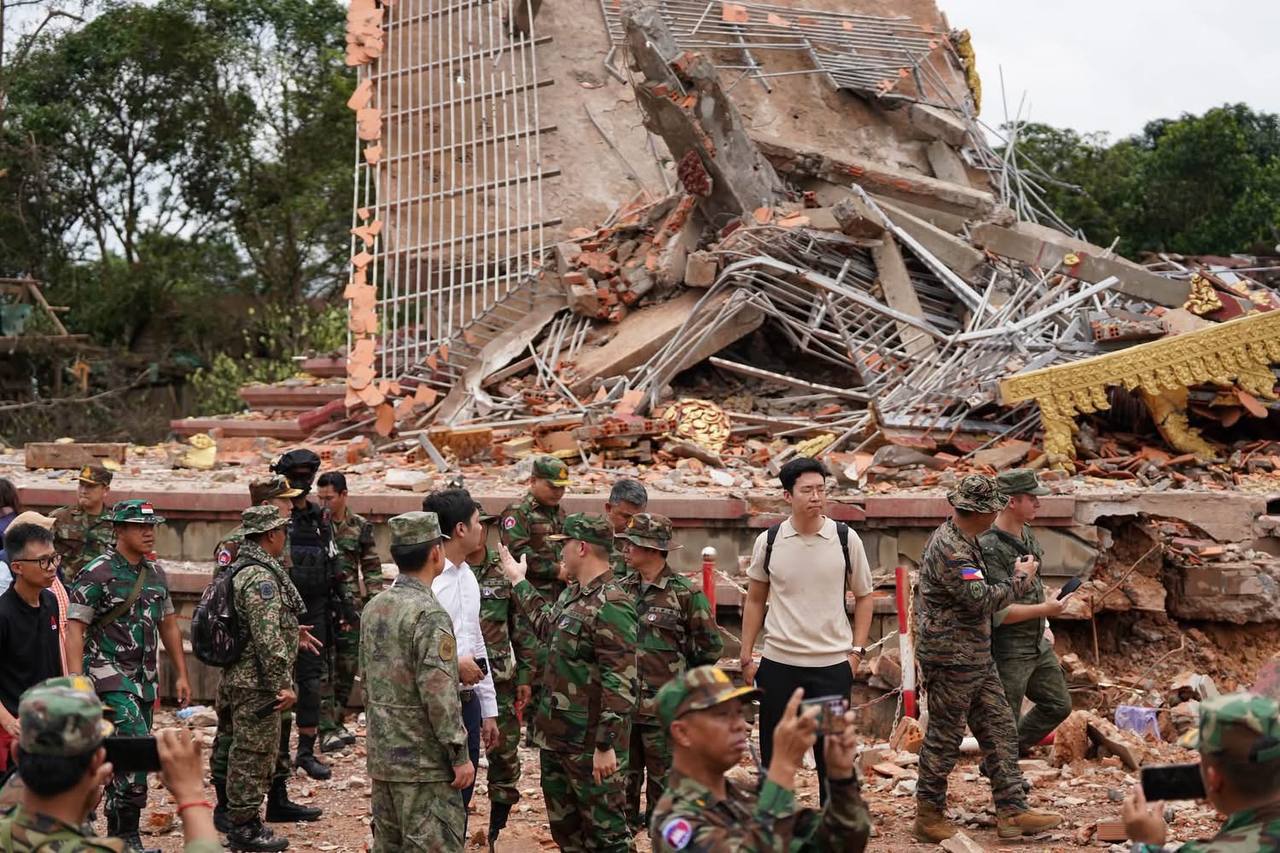
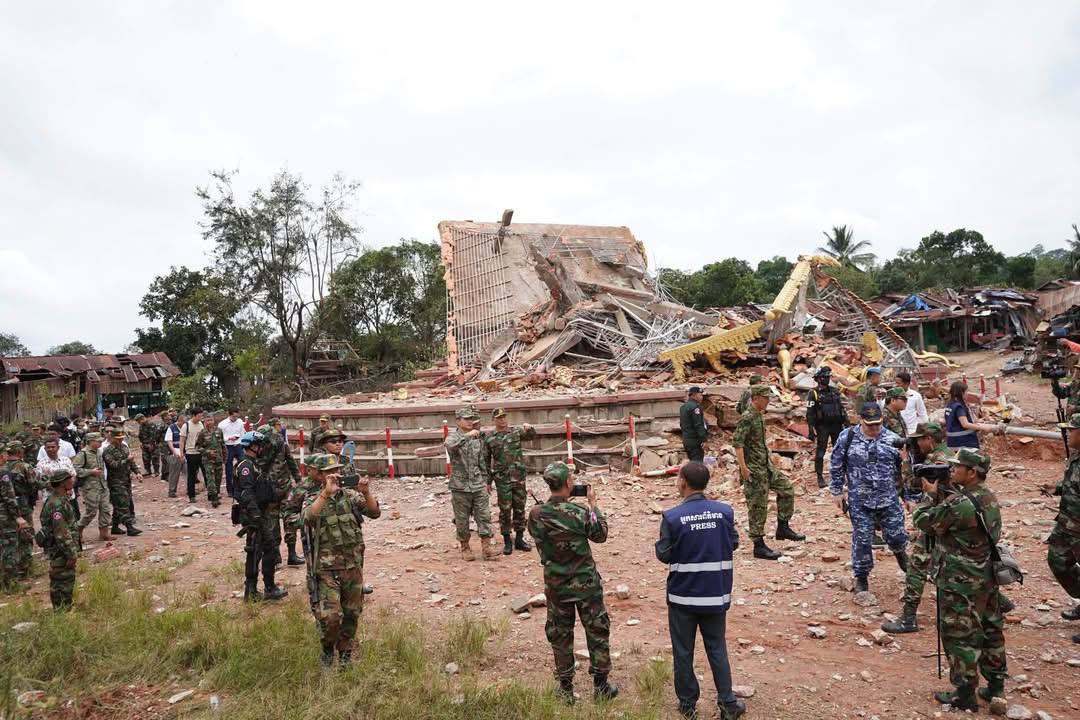
ដំណើរទស្សនកិច្ចនេះ បានបង្ហាញយ៉ាងច្បាស់នូវស្ថានភាពពិតនៅលើដី និងក្លាយជាសក្ខីភាពអន្តរជាតិចំពោះផលវិបាកដែលបន្សល់ទុកដោយសង្គ្រាមឈ្លានពានរបស់យោធាថៃ ចាប់ពីថ្ងៃទី២៤ ដល់ថ្ងៃទី២៧ ខែកក្កដា ឆ្នាំ២០២៥។ ក្នុងអំឡុងពេលនោះ យោធាថៃបានព្យាយាមវាយលុក និងកាន់កាប់តំបន់អានសេះ ប៉ុន្តែមិនអាចសម្រេចគោលបំណងបានឡើយ។ ផ្ទុយទៅវិញ ការវាយប្រហារបានបន្សល់ទុកនូវការបំផ្លិចបំផ្លាញអាស្រម និងរូបសំណាកលោកតាអ៊ំ ដែលជាទីគោរពសក្ការៈរបស់ប្រជាពលរដ្ឋកម្ពុជា និងជាភស្តុតាងនៃការប្រើកម្លាំងប្រដាប់អាវុធលើទឹកដីកម្ពុជា។
វត្តមានរបស់អនុព័ន្ធយោធាបរទេសនៅទីតាំងនេះ មិនមែនជាការទស្សនកិច្ចធម្មតានោះទេ ប៉ុន្តែជាការសង្កេតការណ៍ដោយផ្ទាល់លើស្ថានភាពក្រោយបទឈប់បាញ់។ អ្វីដែលពួកគេបានឃើញ គឺជាសក្ខីភាពរស់អំពីផលប៉ះពាល់នៃសកម្មភាពយោធារបស់ថៃ និងជាការបញ្ជាក់ថា តំបន់អានសេះស្ថិតក្រោមអធិបតេយ្យភាព និងការគ្រប់គ្រងជាក់ស្តែងរបស់ព្រះរាជាណាចក្រកម្ពុជា។
ការបញ្ជាក់នេះ ស្របគ្នានឹងការពន្យល់របស់មន្ត្រីជំនាញនៃរដ្ឋលេខាធិការដ្ឋានកិច្ចការព្រំដែន ដែលបានបញ្ជាក់ថា តំបន់អានសេះ ស្ថិតក្នុងទឹកដីកម្ពុជា ដោយផ្អែកលើឯកសារប្រវត្តិសាស្ត្រ និងផែនទីដែលមានតម្លៃផ្នែកច្បាប់ រួមមាន ផែនទីមាត្រដ្ឋាន ១:២០០,០០០ និងកំណត់ហេតុបោះបង្គោលព្រំដែន (Procès-Verbaux: PV) របស់គណៈកម្មការកំណត់ព្រំដែនឥណ្ឌូចិន–សៀម ឆ្នាំ១៩០៨ និងឆ្នាំ១៩១៩។ លើសពីនេះទៅទៀត សូម្បីតែផែនទី L7017 មាត្រដ្ឋាន ១:៥០,០០០ ដែលភាគីថៃរៀបចំដោយឯកតោភាគី ក៏បង្ហាញភាពស្របគ្នាជាមួយការកំណត់ទីតាំងនេះក្នុងទឹកដីកម្ពុជាផងដែរ។
ហេតុដូច្នេះ ការចុះពិនិត្យរបស់អនុព័ន្ធយោធាបរទេស មិនត្រឹមតែជាការតាមដានការអនុវត្តបទឈប់បាញ់ប៉ុណ្ណោះទេ ប៉ុន្តែថែមទាំងបានផ្តល់នូវសក្ខីភាពអន្តរជាតិអំពីការពិតនៅលើដី និងអំពីអធិបតេយ្យភាពរបស់កម្ពុជាលើតំបន់អានសេះ ដែលមានមូលដ្ឋានទាំងលើការគ្រប់គ្រងជាក់ស្តែង និងលើឯកសារច្បាប់ប្រវត្តិសាស្ត្រដែលបានទទួលស្គាល់។

More than two days after the ceasefire came into effect—and following the dangerous “handshake incident” that raised serious concerns over its implementation—foreign military attachés accredited to the Kingdom of Cambodia travelled to the An Seh area on the morning of 30 July 2025 to inspect the situation on the ground and monitor compliance with the ceasefire. Their visit took place in the presence of numerous national and international journalists.
The mission provided a direct view of the realities on the ground and became an important form of international witness to the consequences of the Thai military’s armed aggression from 24 to 27 July 2025. During that period, Thai forces attempted to advance into and seize the An Seh area but failed to achieve their objective. Their attacks instead destroyed a local shrine and the statue of Lok Ta Oum, a site of spiritual and cultural significance to the Cambodian people, leaving visible evidence of the use of armed force on Cambodian territory.
The presence of foreign military attachés at the site was therefore not an ordinary visit. It constituted direct observation of the post-ceasefire situation. What they witnessed provides living testimony to the consequences of the Thai military’s actions and confirms that the An Seh area lies under the sovereignty and effective administration of the Kingdom of Cambodia.
This position is consistent with the explanation provided by officials of the State Secretariat of Border Affairs, who have affirmed that the An Seh area is located within Cambodian territory on the basis of historical records and legally relevant cartographic evidence. These include the 1:200,000-scale map and the boundary-pillar records, or procès-verbaux (PVs), of the Indochina–Siam Boundary Commission from 1908 and 1919.
Moreover, even Thailand’s own unilaterally produced L7017 map at a scale of 1:50,000 is consistent with the location of the An Seh area on the Cambodian side.
The visit by foreign military attachés was therefore more than a ceasefire-monitoring mission. It provided international witnesses with direct access to the facts on the ground and reinforced the evidence that the An Seh area forms part of Cambodian territory. That conclusion is supported not only by Cambodia’s effective administration of the area, but also by historical boundary records, official maps, and even Thailand’s own cartographic materials.
The truth is clear: An Seh is Cambodian territory, and no use of force, military incursion, or unilateral act can lawfully alter that reality.
ប្រភព ៖ រដ្ឋមន្ត្រីក្រសួងព័ត៌មាន